How Weekly Mini Mocks Can Improve Exam Readiness
A half-paper every week does something a full mock twice a year cannot: it makes the exam ordinary.
· 5 min read · EduAid Tutors
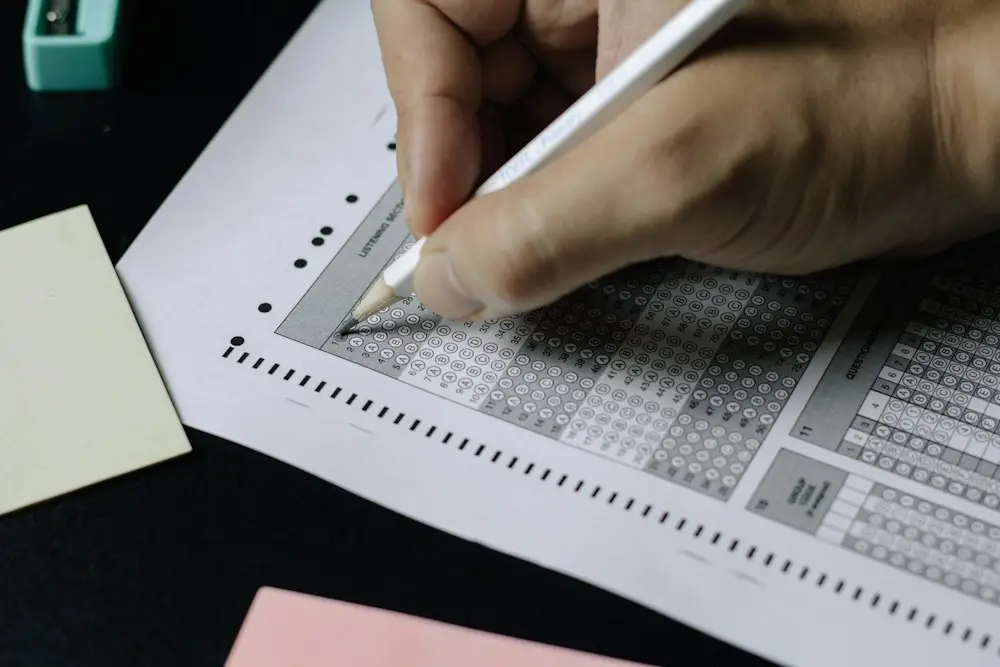
Full mock exams are valuable, but they are infrequent. A student might sit two or three across Year 11. That is not enough repetition to change how exam conditions feel, and the feedback arrives weeks after the work that caused the result.
Frequency changes the feedback loop
A short weekly assessment shortens the distance between “this topic is weak” and “this topic has been addressed”. A gap identified on a Tuesday can be taught the following week and re-tested the week after, while the context is still fresh.
Retrieval is a learning activity, not just a measurement
Being asked to produce an answer from memory strengthens recall more reliably than re-reading notes. Regular low-stakes testing is therefore part of the teaching, not merely an audit of it.
Exam conditions stop being an event
- Working to a clock becomes familiar rather than alarming
- Deciding when to move on from a stuck question becomes a practised judgement
- Setting work out clearly becomes habit, which protects method marks
- The physical experience of a paper becomes unremarkable
It gives parents something concrete
A weekly half-paper produces a steady stream of evidence. Over a term, that evidence shows a direction — which is far more useful to a parent than a single result, and far harder to argue with than an impression.
The aim is not to test students more. It is to make sure nobody finds out about a gap in June.
Demonstration content. This article was written to show the structure and tone of the EduAid blog. It is general guidance, not advice about a specific student, and should be reviewed before publication.


